
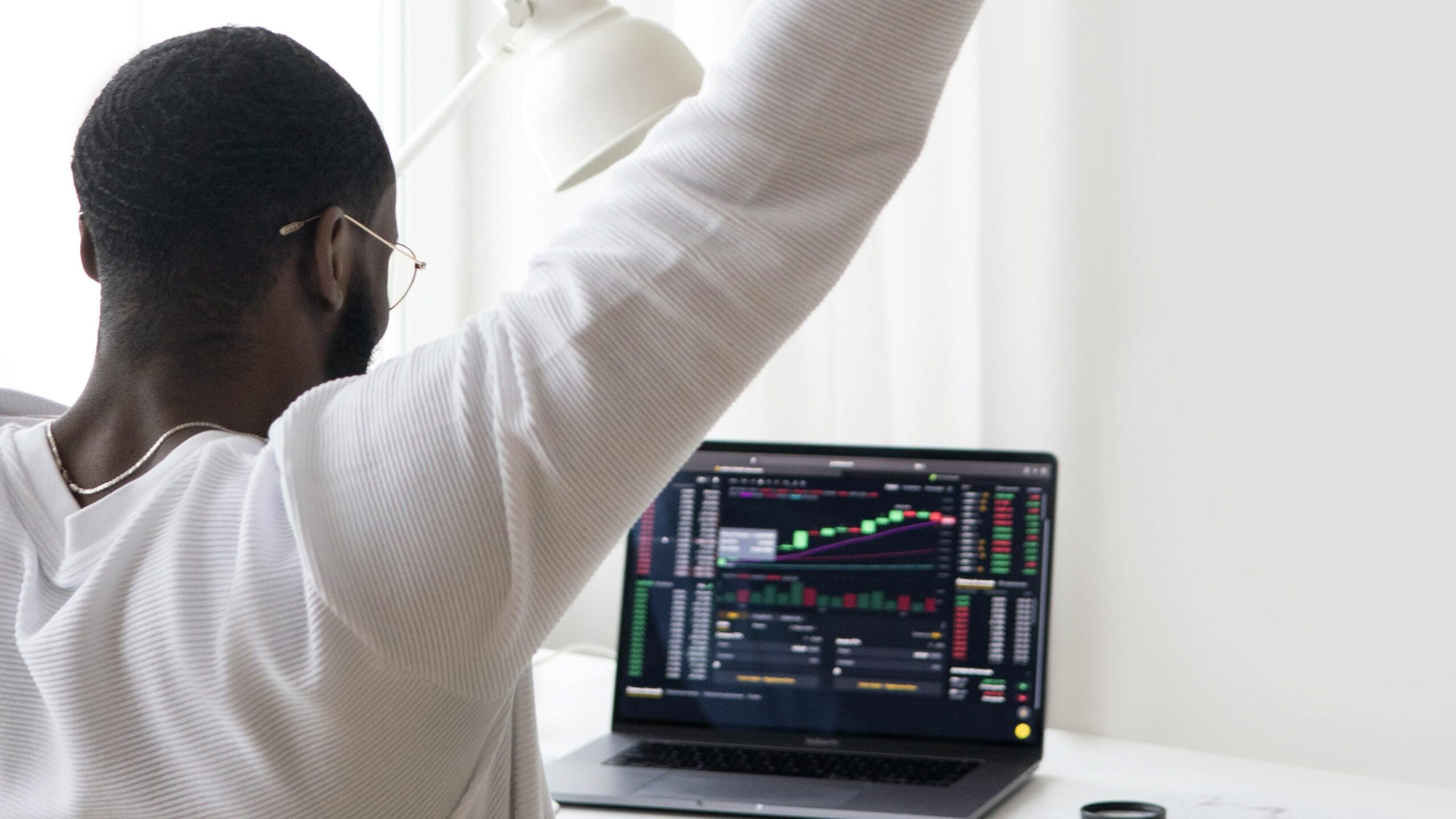
Over 85% of trades every day come from the big dogs—hedge funds, pension funds, and Wall Street pros. Meanwhile, most of us are just trying to figure out what the heck is going on while scrolling Twitter. But guess what? You don’t need a finance degree or a $20K data terminal to move smart. This guide breaks down how you can read the market like the people in suits—while you’re in your hoodie.
What the Pros Do (That You Can Totally Copy)
Big investors don’t dump $10 million into a stock at once. They split the buy into chunks and spread it over hours or even days. That way, they don’t make the price spike. Lets understand it in a better way. Say a hedge fund wants to buy 1 million shares of a stock say X. Instead of doing it in one go, they break it into 100 orders of 10,000 shares. You might notice increased volume without a price jump—that’s how they sneak in.
They Love VWAP (Their Price Compass)
VWAP = Volume Weighted Average Price. It shows the average price people have paid for the stock during the day. If the current price is above VWAP, smart money might still be interested.Suppose, you’re watching a stock. It’s trading at ₹2,650, but the VWAP is ₹2,600. That means buyers have been paying more than average—probably not just retail traders.
They Stack Slowly, Not Wildly
Pros don’t FOMO. They build positions over time. They wait, they average in, and they don’t let hype control their entries. Over two weeks, you notice consistent buy volume in a mid-cap EV company after a government subsidy announcement. That could be funds building a position. It’s time to do your own research.
Market Mood & Macro Vibes: Reading the Room
Data’s Cool, But Vibes Matter Too
Pros read everything: jobs data, inflation rates, even CEO interviews. They want to know where the wind is blowing. Example: If retail inflation drops and HUL (a consumer brand) jumps 2%—it’s not just news, it’s confidence that spending will rise. Institutions move in early.
AI Mood Readers Are Their Cheat Codes
They use tools like FinBERT to scan headlines and tweets to read the crowd’s mood. Think of it like reading the market’s emotional state. Twitter explodes with “market crash” after a bad CPI report. But sentiment tools show fear is overblown. Smart investors see opportunity where others see panic.
They Pre-Plan the Drama
Before a major Fed meeting or budget release, pros already have a plan. They’ve game-planned every scenario. Example: If the Fed hikes by 0.5%, they reduce exposure to growth stocks. If it’s only 0.25%, they double down. No knee-jerk reactions.
Their Secret Weapon: Boring (but Effective) Process
They Make a Money Game Plan (IPS)
An IPS (Investment Policy Statement) is like a rulebook for your money. It includes your risk level, where you invest, when you’ll rebalance, and what you won’t do. Your IPS says no more than 30% in tech. Even if Tesla goes viral, you stay cool if you’re already maxed out.
They Use Math, Not Mood
They rebalance based on numbers, not vibes. Your portfolio has grown from 60% stocks to 75% stocks due to a rally. A pro would trim and reallocate—lock in gains and manage risk.
They Pause Before Doing Dumb Stuff
Institutions have cool-off periods before major decisions. You should too. You see a small-cap stock pumping 20% in a day. Instead of chasing, you give yourself 24 hours. Most pump-and-dumps unwind by then.
Tools That Actually Help (And You Can Afford)
| Fancy Finance Tool | Your Smart Swap |
|---|---|
| Bloomberg Terminal | TradingView or TrendSpider with VWAP indicators |
| RavenPack, AI news scanners | FinSentS, QuiverQuant, StockTwits sentiment score |
| In-house macro teams | Koyfin, DailyShot, CME FedWatch calendar |
| BlackRock Aladdin | Notion + Google Sheets tracker |
Final Words: You Don’t Need a Tie—Just a Tactic
Big money doesn’t win because they’re smarter. They win because:
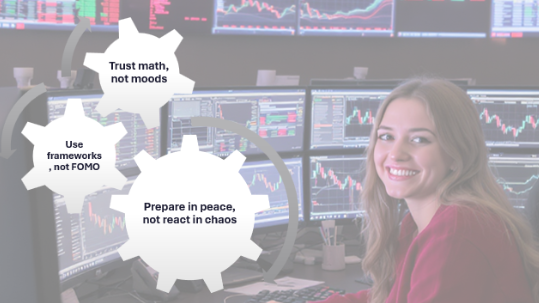
- They prepare in peace, not react in chaos
- They use systems, not Twitter threads
- They trust their frameworks, not their feelings
Welcome to WordPress. This is your first post. Edit or delete it, then start writing!
Hi, this is a comment.
To get started with moderating, editing, and deleting comments, please visit the Comments screen in the dashboard.
Commenter avatars come from Gravatar.